
Parenting & Educational Topics

The Ultimate Guide to Smart Toys for Kids—What Science Really Says
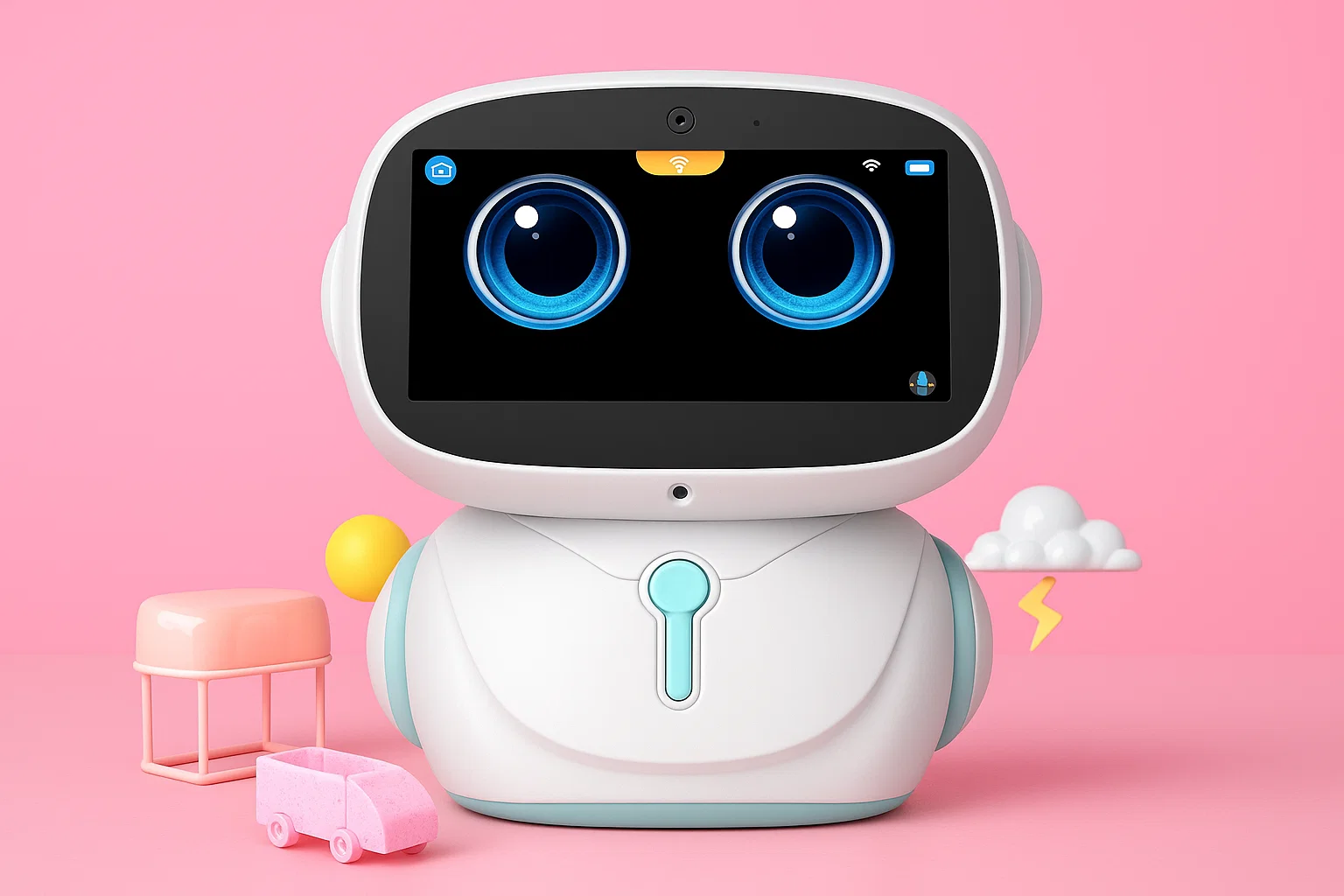
Smart toys for kids Ai educational toy

These days, toys have changed a lot. They sing, talk, teach ABCs, and even answer questions. Many of us have seen our kids playing with these toys and thought — “It looks useful… but is my child really learning anything from it?”

It’s a common thought for many parents today.
With so many options in the market, it’s hard to know what’s good and what’s just “fancy”.

In this blog, let’s talk about smart toys for kids, what science says about them, and whether they truly help in your child’s early learning and development.

What Are Smart Toys?

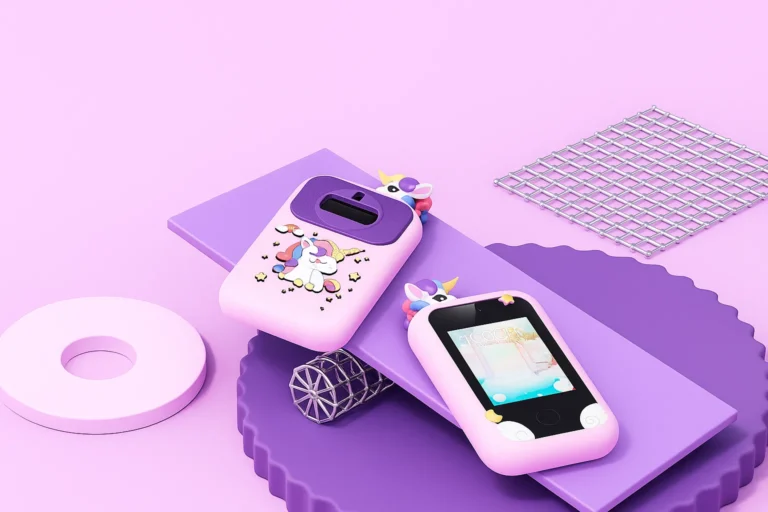
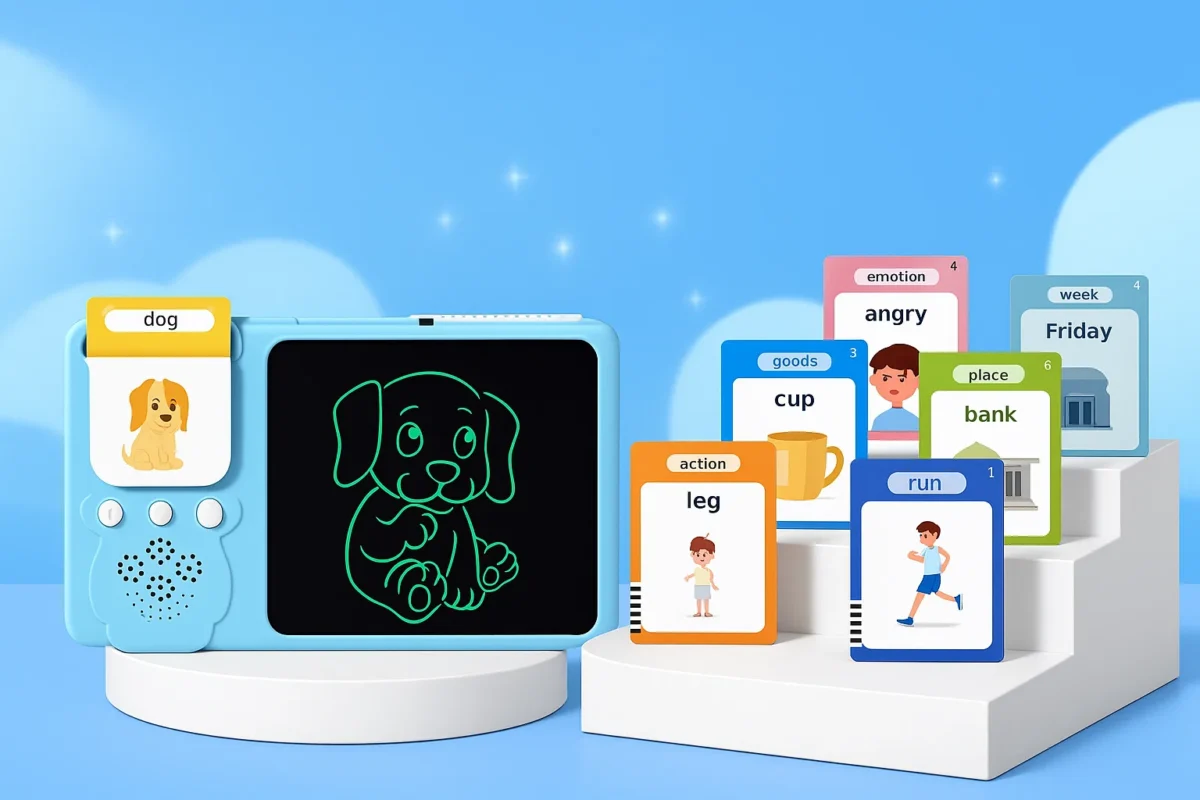
Smart toys are not your regular dolls or toy cars. Smart toys are designed to interact with children. They respond, speak, and teach through touch, voice, or movement. For example, toys like the MyPad 7" Kids Tablet or the Kids Camera Phone Toy are more than fun—they introduce children to numbers, letters, music, and even basic tech skills.

Educational Benefits of Smart Toys

Many experts and studies show that when used properly, smart toys can help children learn better. Here are a few educational benefits of smart toys:
        • Better thinking skills – Some smart toys give puzzles or learning challenges that help improve logical thinking.
        • Early language development – Toys that speak or play stories can improve vocabulary and speaking skills.
        • Hand-eye coordination – Toys that involve movement, drawing, or sorting shapes help develop motor skills.
        • Emotional learning – AI toys with facial expressions or friendly voices can help kids understand feelings.
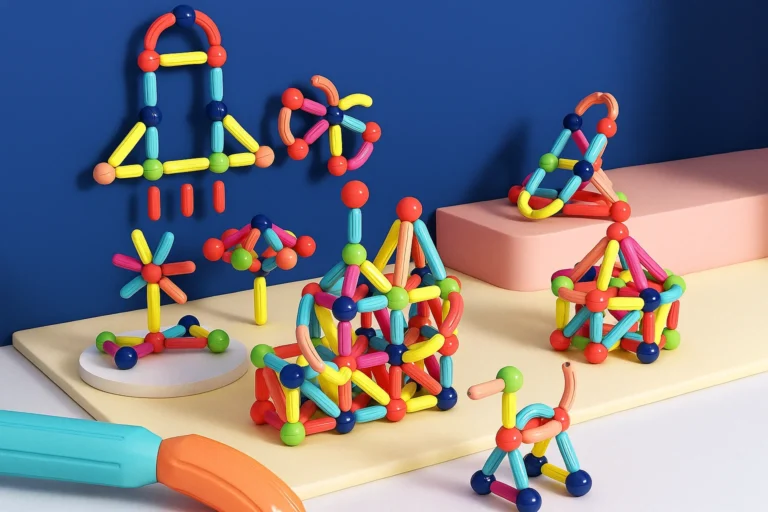
Of course, not every toy is helpful. Parents must pick toys that are age-appropriate and focus on learning, not just screen time. Toys like the STEM Magnetic Building Sets, Digital Microscopes, or the Space Track Kit help kids explore science, logic, and creativity at a young age. These types of toys support both classroom learning and hands-on thinking.

Technology in Early Childhood Education

Technology is not only in schools now but also in homes. Smart toys are playing a role in early childhood education, especially for preschoolers. They make learning fun and interactive, which helps kids stay focused longer.

Many parents are now using educational apps, smart learning boards, and AI-enabled toys as a part of their daily learning routine. These toys can also be useful in improving English, math, and even general knowledge — especially when used with guidance.

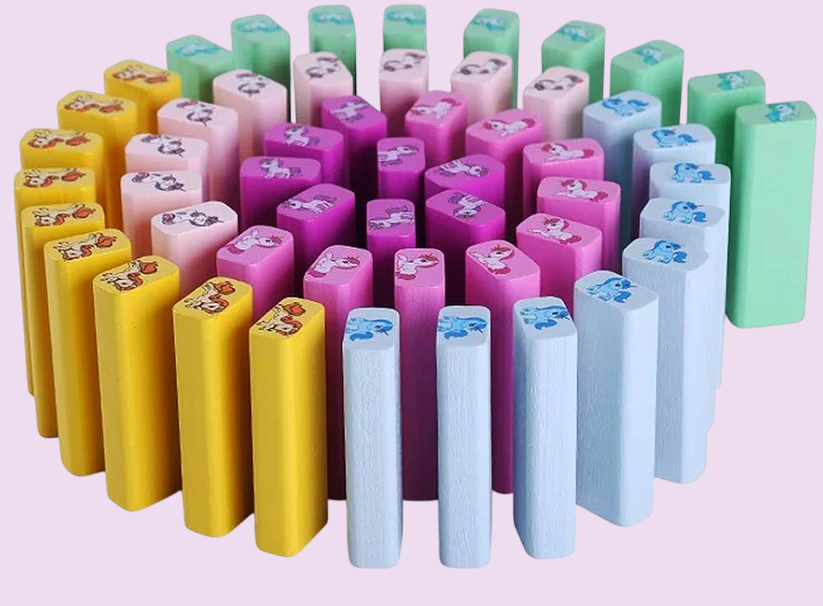
unicorn image

What Science and Experts Say

Studies from child psychologists and researchers suggest that smart toys for kids can support brain development — but with balance. Too much use of any gadget, even a smart toy, may reduce creativity or real-world social skills. That’s why it's important to mix smart toy time with outdoor play and human interaction.

So yes, smart toys may help make kids smarter, but only when used in the right way and for the right amount of time.

Popular Smart Toys in India

Some common types of STEM learning toys for toddlers and preschoolers include:

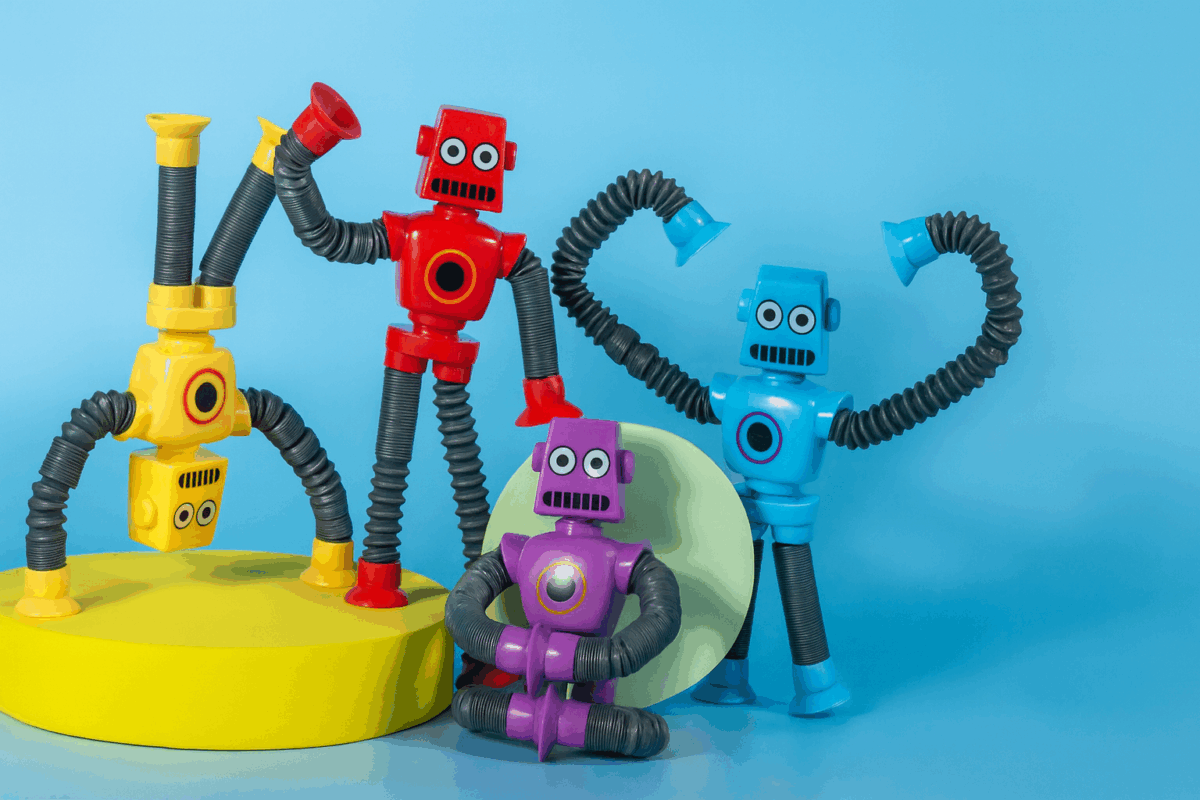
        • AI-powered robots that teach coding
        • Touch-screen books with voice reading
        • Shape and number games with music and lights
        • Interactive alphabet and number mats

These AI-powered educational toys are available online and at toy stores in India. Brands like LeapFrog, Fisher-Price Smart Stages, and even local Indian companies are offering smart toys at different price ranges.

How Smart Toys Impact Social and Emotional Development

While smart toys are often praised for their cognitive and educational benefits, they can also play a key role in social and emotional development. Here's how:

        • Emotion Recognition
          Many AI-powered smart toys use facial expressions or voice tone to help children identify and understand emotions. This encourages empathy and emotional intelligence from an early age, especially when interacting with toys that "respond" to feelings like happiness or frustration.

        • Facilitating Communication
          Smart toys, such as those that can read stories or engage in simple conversations, help children practice communication skills. These toys can provide non-judgmental conversations, encouraging shy children to open up and express themselves in a fun, low-pressure environment.

        • Building Confidence
          Interactive toys that provide feedback or rewards when a child accomplishes a task (like solving a puzzle or completing a learning challenge) can help boost self-esteem and encourage perseverance. Positive reinforcement helps children feel capable and motivated to continue learning.

        • Encouraging Group Play
          Toys that involve multiple children can foster social interaction and teamwork. Group-oriented smart toys, like educational board games or collaborative learning tools, allow children to learn the importance of sharing, taking turns, and working together toward a common goal.

New Trends in Smart Toys

Smart Toys for Kids are changing how children learn and play. Today’s educational benefits of smart toys include better problem-solving, language skills, and digital know-how—all in a fun package.

        • STEM Learning Toys for Toddlers
          Simple building kits and magnetic blocks introduce basic science, technology, engineering, and math concepts. Toddlers learn by stacking, sorting, and experimenting—skills that lay the groundwork for future STEM learning toys for toddlers.

        • AI-Powered Educational Toys
          These toys adjust to each child’s level. If a puzzle is too easy, the toy makes it harder; if it’s too hard, it simplifies the challenge. This keeps kids interested and helps them learn at their own pace.

        • Interactive Learning Through Play
          Toys with touchscreens, sounds, or augmented-reality features let children explore letters, numbers, and shapes hands-on. By combining physical play with digital feedback, these tools make abstract ideas real and memorable.

        • Technology in Early Childhood Education
          When used the right way, smart toys support classroom goals and home learning routines. They help answer the question, “do smart toys make kids smarter?” by offering guided practice in reading, counting, and even basic coding.

toy blog

Real Questions from Real Parents

Do smart toys really make kids smarter?

Yes — to a point. Studies suggest smart toys can support cognitive, language, and emotional development when used in moderation and with adult guidance. They’re best used alongside traditional play and social interaction.

What age is best to introduce smart toys?

 For most kids, ages 2 to 5 is a good starting point. Choose toys that match their developmental stage — focus on touch-based, audio, or interactive story toys for younger toddlers.

Are smart toys safe for my child?

Most are safe, but always check for age recommendations, small parts, and data privacy features (especially for AI-enabled toys). Stick to trusted brands and read reviews before buying.

How long should my child play with smart toys each day?

Experts suggest 30 to 60 minutes per day of screen-based smart toy use. Balance this with reading, outdoor activities, and face-to-face interaction.

What are some examples of smart toys that encourage learning?

Toys like STEM Magnetic Building Sets, AI robot kits, talking books, and kids’ tablets with curated apps help promote skills in science, problem-solving, and language.

Final Thoughts: Balance is Key

Smart toys are not magic tools. They cannot replace parents, teachers, or good values. But they can support interactive learning through play if used properly.

Give your child the best of both worlds — smart learning with technology and smart values with real-life experiences.

Tips for Parents:

Check age recommendations

Always follow the toy’s suggested age range.

Limit screen time

Keep smart-toy use to 30–60 minutes per day.

Play together

Kids learn best when parents join in the fun.

Mix it up

Combine smart-toy play with books, art projects, and outdoor games.